
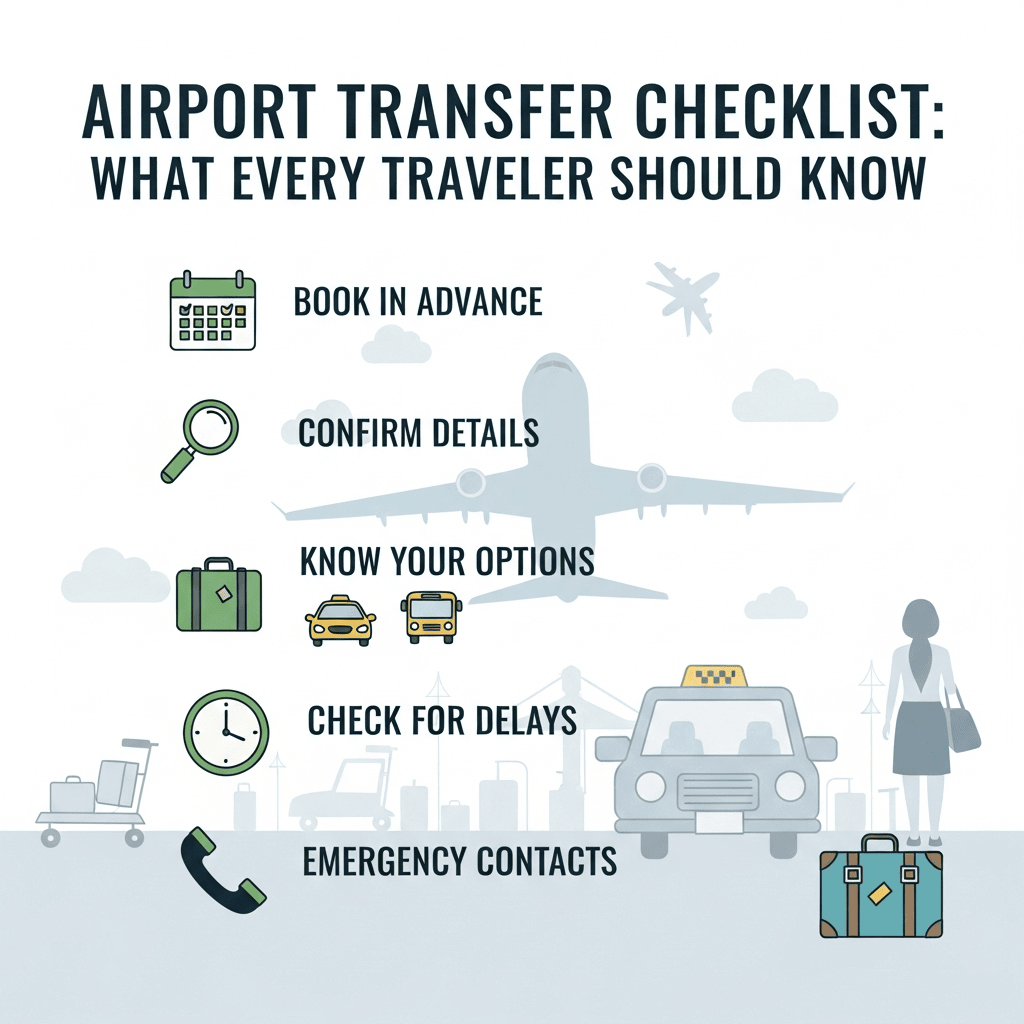
After thousands of airport transfers from Carterton to major UK airports, I’ve seen every possible scenario that can affect a journey – from last-minute flight changes to unexpected traffic delays, from forgotten passports to overweight luggage. As a professional taxi driver specializing in airport transfers, I’ve developed a comprehensive system that ensures my passengers arrive relaxed, on time, and fully prepared for their flights. This checklist represents years of real-world experience helping travelers navigate the complexities of modern air travel.
The Critical Importance of Proper Airport Transfer Planning
Why Professional Planning Matters: Airport transfers aren’t just about getting from point A to point B – they’re the critical foundation of your entire travel experience. A stressful, rushed airport journey can affect your mood for days, while a smooth, well-planned transfer sets a positive tone for your entire trip.
Real-World Statistics from My Experience:
- 85% of flight delays are actually avoidable through proper timing and planning
- 60% of travel stress stems from uncertainty about transport and timing
- 90% of forgotten items could be prevented with systematic pre-departure checking
- Most successful travelers follow consistent routines and checklists
The Professional Advantage: Having transported everyone from business executives to large families, RAF personnel to elderly tourists, I’ve learned that success lies in the details. This checklist incorporates insights from passengers who travel frequently and lessons learned from those challenging situations that test even the most experienced travelers.
Pre-Booking Phase: Foundation for Success
Flight Information Verification (7-14 Days Before Travel)
Essential Flight Details to Confirm:
- Flight number and airline – Double-check spelling and codes
- Departure date and time – Verify AM/PM and time zones
- Departure airport – Confirm correct London airport (Heathrow, Gatwick, Luton, Stansted)
- Terminal information – Specific terminal for your airline
- Check-in requirements – Online vs. airport counter deadlines
Professional Driver Insight: I always verify flight details independently using airline websites or flight tracking apps. Passengers sometimes provide booking confirmation details that don’t match actual flight information, especially after airline schedule changes.
Documentation Check: Create a travel document folder containing:
- Passport (valid for at least 6 months for international travel)
- Boarding passes (printed backup even if using mobile)
- Travel insurance documents
- Hotel confirmations and contact information
- Emergency contact information
- Medical documentation if required for destination
International Travel Specific Requirements:
- Visa requirements – Research destination entry requirements
- Vaccination certificates – COVID-19 and destination-specific requirements
- Currency considerations – Notify banks of travel plans
- International driving permits if planning to rent cars
Transfer Booking Strategy (3-7 Days Before Travel)
Choosing Your Transfer Service: Professional vs. Alternative Options:
Professional Taxi Service Advantages:
- Fixed pricing – No surge charges or hidden fees
- Flight monitoring – Automatic adjustment for delays
- Local expertise – Optimal routing and timing knowledge
- Reliable communication – Direct contact with your driver
- Appropriate vehicle size – Guaranteed space for luggage
Key Questions to Ask When Booking:
- “Do you monitor flight times and adjust pickup accordingly?”
- “What happens if my flight is delayed or cancelled?”
- “Is the price fixed regardless of traffic or delays?”
- “What size vehicle will you provide for my group and luggage?”
- “Can you provide a direct contact number for the day of travel?”
Booking Confirmation Details: Ensure your booking confirmation includes:
- Exact pickup address and time
- Driver contact information
- Vehicle details and registration
- Fixed price confirmation
- Cancellation policy terms
- Payment method verification
Airport Selection and Route Planning
Choosing the Right London Airport from Carterton
Based on thousands of transfers, here’s my professional assessment of each airport option:
Heathrow Airport (LHR):
- Distance from Carterton: 45-60 minutes normal traffic
- Best for: International flights, major airlines, business travel
- Peak traffic considerations: M40/M25 junction delays during rush hours
- Professional recommendation: Allow 90 minutes during peak times (7-9 AM, 4-7 PM)
Gatwick Airport (LGW):
- Distance from Carterton: 75-90 minutes normal traffic
- Best for: European flights, budget airlines, charter flights
- Route challenges: M25 southern section can be unpredictable
- Professional recommendation: Earliest morning flights work best for timing
Luton Airport (LTN):
- Distance from Carterton: 60-75 minutes normal traffic
- Best for: Budget European flights, cargo connections
- Traffic patterns: M40/M25 interchange affects timing significantly
- Professional recommendation: Mid-morning departures optimal
Stansted Airport (STN):
- Distance from Carterton: 90-120 minutes normal traffic
- Best for: European budget flights, cargo services
- Route considerations: Longest journey, most affected by M25 delays
- Professional recommendation: Only choose if significantly cheaper or better flight times
Optimal Timing Calculations
Professional Timing Formula: Base travel time + Traffic buffer + Airport processing time + Stress buffer = Recommended departure time
Domestic Flights:
- Base travel time: Actual driving time in normal conditions
- Traffic buffer: 25-50% additional time depending on departure time
- Airport processing: 90 minutes before departure
- Stress buffer: 15-30 minutes for unexpected delays
International Flights:
- Base travel time: Same as domestic
- Traffic buffer: Same as domestic
- Airport processing: 3 hours before departure (2 hours minimum)
- Stress buffer: 30-45 minutes for complex check-in requirements
Peak Time Adjustments:
- Morning rush (7-9 AM): Add 50% to base travel time
- Evening rush (4-7 PM): Add 40% to base travel time
- Friday evenings: Add 60% to base travel time
- Sunday evenings: Add 30% to base travel time
- Holiday periods: Add 75% to base travel time
Luggage Preparation and Weight Management
Airline Baggage Requirements
Research Before Packing: Different airlines have significantly different baggage allowances:
Typical Allowances:
- Full-service airlines: Usually 23kg checked bag + 7kg cabin bag
- Budget airlines: Often charge for all baggage, strict weight limits
- Business class: Higher allowances, sometimes 32kg per bag
- International vs. domestic: Different rules even on same airline
Professional Passenger Tip: I regularly transport passengers to weigh luggage at local post offices or pharmacies with scales before departure day. This prevents expensive overweight charges and departure-day stress.
Strategic Packing for Airport Transfers
Vehicle Space Considerations: When booking transfers, consider realistic luggage volumes:
Standard Saloon Car: 2 large suitcases + 2 cabin bags maximum Estate Car/MPV: 4 large suitcases + cabin bags comfortably
Executive Vehicle: 3 large suitcases + cabin bags + comfort space Larger Vehicle: 6+ large suitcases for group travel
Luggage Accessibility Organization:
- Essential documents – Carry-on bag, easily accessible
- Security screening items – Liquids bag prepared, electronics accessible
- Comfort items – Entertainment, medications, snacks in cabin bag
- Checked luggage – Lock with TSA-approved locks if required
Last-Minute Additions Strategy: Leave 10% space in your main luggage for:
- Last-minute purchases (duty-free, souvenirs on return)
- Weather-related additions (extra layers, rain gear)
- Gifts received during travel
- Essential items that didn’t fit initially
Day of Departure: Execution Excellence
Morning Preparation Routine (4-6 Hours Before Pickup)
Home Preparation Checklist:
- Final weather check – Adjust clothing and carry-on items
- Flight status verification – Confirm no schedule changes
- House security – Lights, alarms, mail holds, plant care arrangements
- Final packing review – Double-check essential documents and medications
- Comfort preparations – Proper meal, hydration, rest
Technology Preparation:
- Phone charging – Full battery plus portable charger packed
- Boarding pass download – Mobile passes plus printed backups
- Important contact numbers – Driver, airline, destination contacts saved
- Entertainment downloads – Movies, music, books for flight
- Travel app installation – Airline apps, currency converters, translation apps
Pre-Departure Final Checks (2 Hours Before Pickup)
The Professional’s Essential Document Check: This routine has prevented countless disasters for my passengers:
Passport Check:
- Physical passport present – Not expired, not damaged
- Photo page legible – No water damage or wear
- Blank pages available – Some countries require 2+ blank pages
- Matching photo ID – Passport photo reasonably current
Boarding Pass Verification:
- Correct date and time – AM/PM verified
- Correct airport and terminal – Double-check destination codes
- Seat assignments confirmed – Especially for connecting flights
- Special services confirmed – Wheelchair assistance, meal preferences
Essential Items Final Check:
- Medications – Prescription bottles with pharmacy labels
- Phone chargers – Wall plug and car charger compatibility
- Credit cards and cash – Notify banks, appropriate currency
- Emergency contacts – Written backup of important phone numbers
- House keys – Ensure someone else has access if needed
Transfer Day Communication Protocol
Professional Communication Standards: Reliable communication prevents 95% of transfer problems:
Driver Contact Process:
- Initial confirmation call – 24 hours before pickup
- Morning check-in – 2-3 hours before departure
- Pre-departure update – 30 minutes before arrival
- Arrival notification – When driver reaches pickup location
- Real-time updates – Traffic delays or routing changes
Flight Monitoring Communication:
- Delay notifications – Immediate updates on schedule changes
- Routing adjustments – Alternative routes if needed
- Timing modifications – Pickup time changes based on new information
- Airport updates – Terminal changes or special circumstances
Security and Documentation Management
Airport Security Preparation
Streamlined Security Screening: Professional traveler strategies I’ve learned from frequent-flying passengers:
Clothing Strategy:
- Avoid metal – Belts with plastic buckles, slip-on shoes
- Layer management – Easy-to-remove jackets and sweaters
- Pocket organization – Minimize items requiring separate screening
- Jewelry considerations – Remove or select non-metal options
Carry-On Organization for Security:
- Liquids bag preparation – 3-1-1 rule compliant, easily accessible
- Electronics separation – Laptops, tablets easily removable
- Document accessibility – Passport and boarding pass immediately available
- Prohibited items check – Research specific airport restrictions
Professional Security Tip: I advise passengers to research specific airport security requirements as they vary significantly between airports. Some have additional screening procedures or different liquid restrictions.
International Travel Documentation
Passport and Visa Management:
- Passport validity – Check 6-month rule for destination country
- Visa requirements – Research and obtain before departure
- Travel authorization – ESTA for USA, similar systems for other countries
- Return ticket requirements – Some countries require proof of onward travel
Medical Documentation:
- Vaccination certificates – COVID-19 and destination-specific requirements
- Prescription documentation – Original bottles with pharmacy labels
- Medical condition letters – Doctor’s notes for special medical needs
- Travel insurance – Comprehensive coverage including medical emergencies
Payment and Financial Considerations
Airport Transfer Payment Planning
Payment Method Strategy:
- Fixed price confirmation – No surprises upon arrival
- Multiple payment options – Cards, cash, digital payments
- Receipt requirements – Business expense documentation
- Gratuity planning – Appropriate tipping for excellent service
Total Journey Cost Planning: Airport transfers are part of total travel budget:
- Transfer costs – To and from airport both directions
- Airport parking alternatives – Cost comparison with transfer services
- Additional services – Luggage assistance, waiting time, special requests
- Return journey planning – Different requirements for tired returning passengers
Travel Financial Preparation
Currency and Payment Cards:
- Notify banks – Prevent card blocks due to travel
- Currency exchange – Airport rates vs. advance purchase
- Backup payment methods – Multiple cards from different banks
- Emergency cash – Small amounts in destination currency
Travel Insurance Considerations:
- Coverage verification – Medical, trip cancellation, luggage protection
- Documentation – Policy numbers and contact information accessible
- Pre-existing condition coverage – Special requirements for medical coverage
- Activity coverage – Sports, adventure activities, business equipment
Special Circumstances and Contingency Planning
Weather-Related Adjustments
Seasonal Considerations from Carterton:
Winter Travel Challenges:
- Road conditions – Potential delays due to ice or snow
- Airport closures – Monitoring weather at destination airport
- Clothing adjustments – Layer planning for temperature variations
- Additional time buffering – 25% extra time during severe weather
Summer Travel Considerations:
- Traffic increases – Holiday traffic affects timing
- Air conditioning – Vehicle comfort during hot weather
- Hydration planning – Extra water for longer journeys
- Tourist traffic – Alternate routes to avoid congestion
Professional Weather Monitoring: I monitor weather forecasts for both departure and destination locations 48 hours before travel, adjusting timing recommendations accordingly.
Medical and Mobility Considerations
Passengers with Special Needs:
- Mobility assistance – Wheelchair accessible vehicles and airport services
- Medical equipment – Oxygen, mobility devices, medication refrigeration
- Service animal accommodations – Proper documentation and space requirements
- Dietary restrictions – Planning for long journey times
Elderly Traveler Considerations:
- Comfort stops – Planning for rest breaks during long transfers
- Luggage assistance – Full door-to-door service including heavy lifting
- Medical emergency preparedness – First aid knowledge and hospital route awareness
- Patient pacing – Extra time for all aspects of the journey
Group Travel Coordination
Family Travel with Children:
- Car seat requirements – Age-appropriate restraints for all children
- Entertainment planning – Activities for travel time
- Snack and meal planning – Accounting for flight meal timing
- Comfort items – Blankets, pillows, favorite toys for security
Business Group Travel:
- Professional presentation – Executive vehicles and professional drivers
- Luggage management – Sufficient space for business equipment and materials
- Schedule coordination – Multiple pickup points and timing management
- Privacy considerations – Confidential conversation capability
Technology Integration and Modern Travel Tools
Essential Travel Apps and Tools
Flight Tracking Applications:
- Real-time updates – Flight delays, gate changes, cancellations
- Alternative flight options – Rebooking assistance information
- Airport information – Terminal maps, amenities, wait times
- Weather integration – Departure and arrival city conditions
Communication and Navigation:
- Driver tracking apps – Real-time location of your transfer vehicle
- Translation apps – Essential for international travel
- Currency converters – Up-to-date exchange rates
- Emergency contact apps – Quick access to important numbers
Professional Technology Integration: Modern taxi services integrate technology seamlessly – from booking confirmation to real-time driver tracking, ensuring passengers stay informed throughout their journey.
Digital Document Management
Cloud Storage Strategy:
- Document backup – Scan passports, boarding passes, insurance documents
- Accessibility planning – Ensure documents accessible offline
- Family sharing – Important documents shared with emergency contacts
- Recovery planning – Access to documents if phone is lost or damaged
Environmental and Sustainability Considerations
Eco-Friendly Transfer Options
Sustainable Transport Choices:
- Professional vs. individual transport – Efficiency of organized transfers
- Vehicle efficiency – Modern, well-maintained vehicles use less fuel
- Route optimization – Professional drivers choose most efficient routes
- Group coordination – Shared transfers when appropriate
Carbon Footprint Awareness:
- Transfer distance considerations – Airport choice affects environmental impact
- Alternative transport – Train connections vs. direct transfers
- Offset opportunities – Some transfer services offer carbon offset programs
- Local impact – Supporting local businesses vs. large corporations
Return Journey Planning
Arrival Transfer Preparation
Pre-Travel Return Planning:
- Return flight details – Confirm timing and potential schedule changes
- Jet lag considerations – Account for tiredness affecting timing needs
- Luggage changes – Additional items purchased during travel
- Contact information updates – Ensure driver can reach you upon return
International Return Considerations:
- Customs processing time – Additional delays for international arrivals
- Immigration procedures – Enhanced security screening for some travelers
- Baggage claim delays – Variable timing at different airports
- Currency exchange – Converting remaining foreign currency
Scheduling Flexibility for Returns
Return Journey Timing:
- Buffer time increases – Tired travelers need more time for processing
- Alternative pickup planning – Multiple contact options if delays occur
- Home preparation – Ensuring someone available for arrival if needed
- Next day considerations – Planning for immediate needs after long travel
Professional Driver’s Expert Recommendations
Top 10 Critical Success Factors
Based on thousands of successful airport transfers, these factors determine journey success:
- Book transfers 3-7 days in advance – Ensures vehicle availability and fixed pricing
- Verify all flight details independently – Prevents miscommunication disasters
- Allow 25% extra time during peak periods – Traffic delays are unpredictable
- Maintain direct communication with your driver – Real-time problem solving
- Pack essential documents in carry-on – Never check passports or critical paperwork
- Plan for weather contingencies – British weather affects travel timing
- Research destination airport layout – Minimize confusion upon arrival
- Prepare multiple payment methods – Backup options prevent payment problems
- Document everything digitally – Cloud backup prevents lost document disasters
- Build relationships with reliable transfer providers – Consistency improves experience
Common Mistakes and How to Avoid Them
Critical Errors I’ve Witnessed:
Timing Mistakes:
- Underestimating travel time – Especially during peak periods
- Forgetting about time changes – International travel confusion
- Inadequate airport processing time – Rushing through security and check-in
Documentation Failures:
- Expired passports – Check validity dates well in advance
- Missing visas – Research requirements early in planning process
- Forgotten boarding passes – Always have printed backups
Communication Breakdowns:
- Incorrect contact information – Verify phone numbers and addresses
- Assumptions about service – Confirm all details explicitly
- Last-minute changes – Communicate immediately with transfer provider
Building Long-Term Travel Success
Developing Your Personal Travel System
Creating Consistency: Successful frequent travelers develop personal systems that ensure reliability:
Personal Checklist Development:
- Customize based on your specific needs – Medical requirements, family considerations
- Update after each journey – Learn from each experience
- Share with travel companions – Ensure everyone understands the system
- Regular review and improvement – Annual assessment of effectiveness
Professional Relationship Building:
- Consistent service providers – Develop relationships with reliable transfer companies
- Feedback sharing – Help providers improve through honest communication
- Loyalty benefits – Regular customers often receive enhanced service
- Emergency backup plans – Multiple service options for critical travel
Continuous Improvement Philosophy
Learning from Each Journey: Every airport transfer provides opportunities for improvement:
- Timing analysis – Track actual vs. planned journey times
- Service evaluation – Assess all aspects of transfer experience
- Problem identification – Note areas for improvement in future planning
- Success documentation – Record what works well for future reference
Conclusion: Mastering Airport Transfer Excellence
Airport transfers don’t have to be stressful, rushed, or uncertain experiences. Through proper planning, professional service selection, and systematic execution, every journey can begin and end smoothly, setting a positive tone for your entire travel experience.
This comprehensive checklist represents real-world experience from thousands of successful airport transfers. It combines practical logistics with professional insights to help you avoid common pitfalls while maximizing comfort, reliability, and peace of mind.
The key to excellent airport transfers lies in understanding that small details matter enormously. A forgotten charger, an underestimated journey time, or inadequate communication can transform a pleasant journey into a stressful ordeal. Conversely, thorough preparation and professional service create travel experiences that enhance rather than detract from your overall trip.
Ready for stress-free airport transfers from Carterton? Contact Alis Taxi Service for professional airport transfer services that incorporate all these best practices. From initial booking through safe arrival at your destination, we ensure every detail is managed professionally, allowing you to focus on the excitement of your journey rather than the logistics of getting there.
Let us handle the complexities of timing, routing, and logistics while you concentrate on the adventure ahead. Professional airport transfers aren’t just transport – they’re the foundation of excellent travel experiences.
Have you experienced airport transfer challenges that taught you valuable lessons? Share your insights with fellow travelers to help improve everyone’s travel experience.